

For freelancers, every kilometre has a cost. Whether you’re a tradie, consultant, or delivery driver, deciding between claiming per litre or managing your fuel through a card can affect your tax, admin time, and savings. Here’s how NZ’s major fuel cards compare.
Fuel Cards vs Claim Per Litre
Fuel cards can make life easier if you drive regularly for work. They give you bulk buying power, GST-ready invoices, and often solid discounts at the pump. Claiming per litre through your accountant or Inland Revenue works well if you drive less often or prefer to pay as you go. The best choice depends on how much time you want to spend tracking expenses and where you fill up.
Option 1: Using a fuel card as a freelancer
A fuel card lets you charge petrol or diesel to one account and get a single monthly statement. You’ll see the GST broken out automatically, making expense claims simpler. Depending on the fuel card provider, you’ll often get an instant discount on the pump price too. Also, most New Zealand cards are open to small business owners and self-employed drivers. The leading options in 2025 include:
| Card | Accepted Sites | Avg. Discount | Monthly Fee | Key Brands |
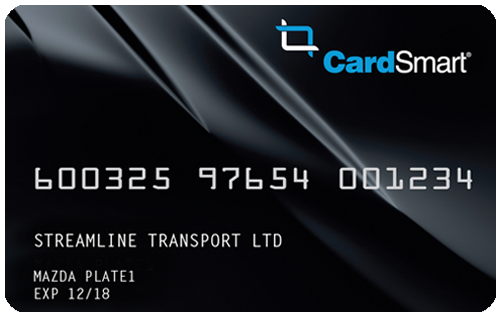
| CardSmart | 1,400+ | Depends on fuel spend | $1.99 | Mobil, BP, Z Energy, Caltex, Challenge, NPD, Waitomo, Gull |
| BP Fuel Card | 350 | 8c/litre | $2.95 | BP, G.A.S, RD Petroleum |
| Allied Fuel Card | 250 | 0c | $0 | Mobil, Allied, NPD |
| Gull FleetCard | 1,300 | 0 | $3.95 | Mobil, BP, Z, Caltex, Gull |
| NPD Fuel Card | 100 | Up to 20c/litre during promo | $3.00 | NPD, Mobil |
| RD Petroleum Card | 350 | 0c | $0 | BP, Caltex, Mobil, Z |
| Z Business Plus | 550+ | Up to 9c/litre | $0 | Z, Caltex, Challenge |
Advantages of fuel cards
1. Easier tax reporting
All major cards issue monthly statements that meet Inland Revenue’s GST rules. That means fewer receipts and less chance of missing claims.
2. Access to group discounts
Even freelancers can access negotiated pump savings, typically 8–15 cents per litre on diesel or petrol, depending on brand and promo.
3. Cash-flow flexibility
Cards such as CardSmart and BP Fuel Card offer short billing cycles with interest-free days. You can pay once a month instead of at every stop.
4. Spending control
You can restrict purchases to fuel only, protecting against personal spend creeping into business accounts.
5. Broader acceptance
Large-network cards like CardSmart or Gull FleetCard cover multiple fuel brands, so you’re not tied to a single chain.
Drawbacks of fuel cards
1. Monthly or transaction fees
Expect to pay around $2–$4 per card each month, plus 10–20 cents per transaction on some networks. If you don’t drive much, those fees can outweigh the savings.
2. Variable discounts
Promo rates often last a few months. NPD and Z Business Plus, for example, can offer up to 20 cents off during campaigns but return to standard pricing later.
3. Credit assessment
Some cards require a credit check or deposit, which may not suit new freelancers still setting up their business.
4. Limited coverage in rural areas
While CardSmart and Gull have wide reach, smaller cards like Allied or NPD may have patchier coverage outside main regions.
Option 2: Claiming per litre or mileage instead
The alternative is paying at the pump and claiming your work fuel costs directly through Inland Revenue. You can either:
- Keep a logbook showing business vs personal kilometres, or
- Claim using kilometre rates set by IRD each tax year.
Pros
- No fees or billing cycles.
- Simple if you drive occasionally for work.
- Easy to manage through bank statements and IRD mileage tools.
Cons
- You must keep accurate records and receipts.
- Harder to claim GST unless your invoices are stored correctly.
- No access to bulk or promotional fuel discounts.
This approach works best for freelancers who mostly work from home or drive less than a few thousand business kilometres per year.
How to Decide Between a Fuel Card & Claim Per Litre
Ask yourself three questions:
1. How often do I refuel for work?
- Weekly or more? A card is worth it.
- Monthly or less? Claiming per litre may be simpler.
2. Do I drive consistent routes or travel widely?
- Nationwide or multi-brand? Go for a large-network card like CardSmart or Gull FleetCard.
- Local only? A single-brand card such as BP Fuel Card or Z Business Plus can be enough.
3. How much admin do I want?
- Prefer automation? Fuel cards feed straight into accounting systems.
- Happy with spreadsheets? Claiming manually gives full control but takes longer.
Example: Freelancer (NZ, Petrol Vehicle, 12,000 km per year)
| Scenario | Per-Kilometre Claim | Fuel Card & Actual Costs |
| Annual business km | 12,000 | 12,000 |
| Fuel used (L/year) | 900 | 900 |
| Fuel cost (after discount, $2.65/L) | N/A | $2,385 |
| Fuel card fees + maint (20%) | N/A | $557 |
| Total claimable | $11,118 | $2,942 |
Per-kilometre method (Tier 1 rate $1.17/km): 12,000 × 1.17 = $11,118 deductible for the year.
Fuel card method (actual costs): Fuel + discounts + fees + estimated rego/insurance/servicing (+ 20%) = about $2,942 deductible.
So, Which Works Out Better?
At first glance, the per-kilometre method gives a higher deduction for average-mileage freelancers using standard cars. It’s simple, fast, and doesn’t require you to track every litre.
But the fuel card method gives you more control and accuracy. You’ll see real-time fuel use, get GST-ready invoices, and enjoy instant pump discounts that reduce your actual spend right away. Over time, those savings can add up, especially if you drive more than 12,000 km per year, run a larger vehicle, or want clearer separation between personal and business costs.
Another key advantage: only the fuel card approach lets you claim GST on your running expenses. That’s an immediate cash-flow win many freelancers overlook.
Key Takeaways
- Per-km method: Not as easy to manage, but may offer higher paper deductions for average mileage.
- Fuel card + actual costs: Delivers real savings, GST recovery, and cleaner business records with less admin.
- Best for: High-mileage or growing businesses that want visibility, control, and long-term savings, not just a one-off tax break.
For most freelancers, starting with a fuel card pays off in practice. It’s not just about the deduction but about cash flow, discounts, and running your business like a business.
The Bottom Line
If fuel makes up a regular part of your freelance expenses, a card is often the simpler, more trackable option. It can reduce admin, smooth cash flow, and deliver small but consistent savings. The right choice depends less on brand and more on your driving habits. Choose the option that makes your admin lighter and your tank a little cheaper to fill.
Compare Fuel Cards & Check Eligibility
Ready to take your business to the next level? Compare fuel card options and check your eligibility in minutes.

Oct 24, 2025
Compare Fuel Cards NZ Team
Last updated Oct 24, 2025